Tizi n'Test Pass: The Raw High Atlas
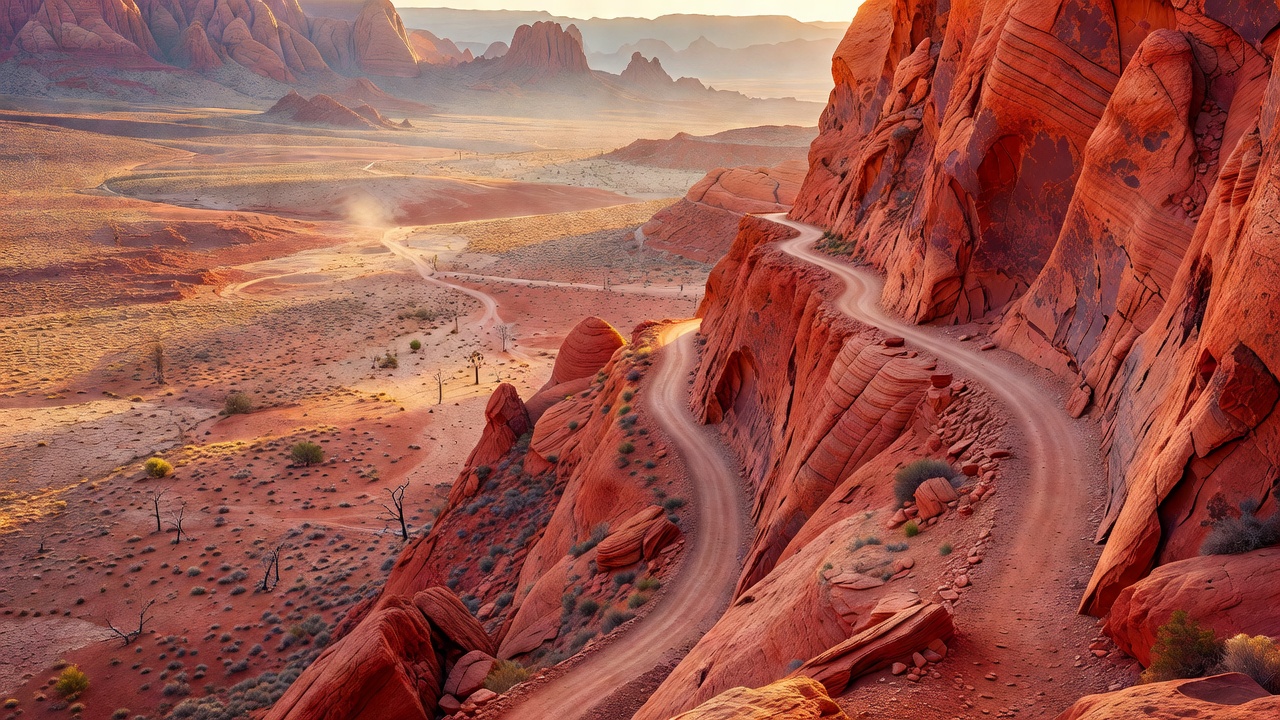
To cross the High Atlas Mountains from Marrakech to the southern plains is a necessary logistical hurdle for anyone exploring Morocco. The vast majority of modern traffic, including tour buses and heavy freight, opts for the wider, heavily engineered Tizi n'Tichka pass. However, further west lies a route originally blasted out of the rock in the 1920s: the formidable Tizi n'Test.
The Allure of the Unknown
The Tizi n'Test (R203) is an uncompromising piece of road. It does not attempt to conquer the mountain through massive viaducts or tunnels; instead, it stubbornly clings to the natural contours of the rock face. The result is a narrow, single-lane ribbon of deteriorating tarmac that ascends abruptly through a series of relentless switchbacks.
This is a drive that demands utter focus. The drop-offs are sheer, plunging hundreds of metres into the Nfiss Valley, and guardrails are virtually non-existent for long stretches. What you get in exchange for this elevated stress level is an unparalleled closeness to the raw geology of the Atlas and an eerie, magnificent silence unpolluted by heavy diesel traffic.
Navigating the Terrain
Approaching from the north, the road follows the Nfiss River, winding past ancient Kasbahs and the historic Tin Mal Mosque. The ascent begins in earnest shortly after, steepening dramatically. The corners here are often blind, requiring a preemptive sound of the horn to warn any descending traffic—which usually consists of overloaded local transit vans or solitary shepherds.
The surface is notoriously variable. While sections are periodically repaved, the extreme winter weather and occasional rockfalls quickly degrade the edges, causing the tarmac to crumble into the abyss. Drivers must constantly balance the need to stay away from the crumbling edge with the necessity of avoiding the jagged rock face on the inside.
Upon reaching the summit at 2,092 metres, the view southward is staggering. The Souss Valley spreads out below, leading down toward Taroudant, often blanketed in a heat haze. The descent on the southern side is famously precipitous, dropping thousands of metres in a remarkably short horizontal distance through tight, low-gear switchbacks.
How it Compares to the Tourist Trail
| Factor | Tizi n'Test (R203) | Tizi n'Tichka (N9) |
|---|---|---|
| Traffic Volume | Extremely low; occasional local traffic. | High; major commercial and tourist artery. |
| Road Width | Mostly single lane; passing requires reversing to pull-outs. | Wide two-lane; overtaking lanes in sections. |
| Safety Infrastructure | Minimal to none. Severe unprotected drops. | Extensive barriers, widening projects ongoing. |
| Atmosphere | Isolated, historic, nerve-wracking. | Busy, modernized, commercialized. |
Preparation and Logistics
This is not a route for nervous drivers or large motorhomes. While a standard passenger car can complete the journey in dry conditions, high ground clearance is beneficial for navigating areas where rockfalls have occurred or where the tarmac has entirely washed away.
Weather plays a critical role. In winter, the pass can be blocked by snow, and during heavy rains, the risk of mudslides is high. It is imperative to check local conditions before committing to the ascent. Engine braking is vital on the descent to prevent complete brake fade; modern automatic transmissions must be manually locked into low gears.
Final Thoughts
The Tizi n'Test is a remnant of a bygone era of adventure motoring. It is undeniably challenging and inherently risky compared to modern highways. Yet, for those who value the visceral connection between machine, driver, and an unforgiving landscape, it is the only way to cross the High Atlas.