The Transalpina: Romania's Higher Alternative
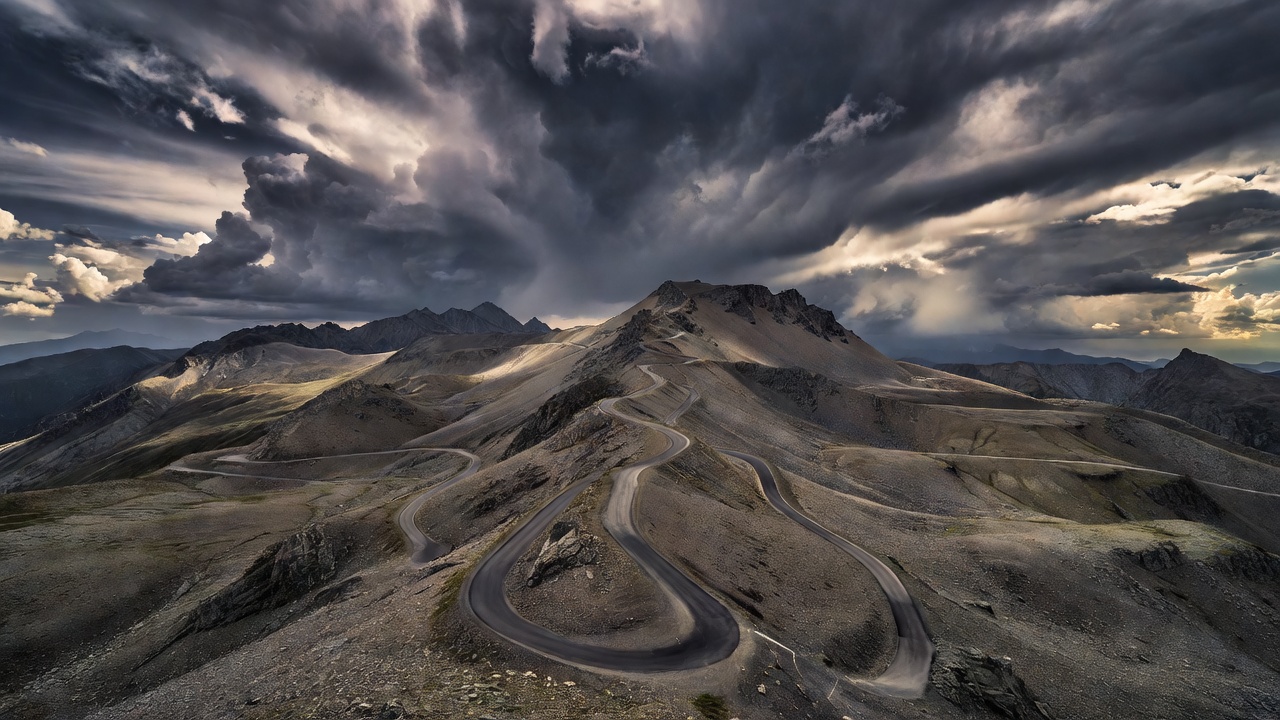
Mention driving in Romania, and the immediate response is always the Transfăgărășan. Popularised by automotive television and countless travel blogs, it has become a victim of its own success, often choked with slow-moving traffic during its brief summer opening. Yet, just to the west lies a road that is higher, arguably older, and fiercely loved by those who know it: the Transalpina.
The Allure of the Unknown
Designated officially as the DN67C, the Transalpina cuts through the Parâng Mountains in the Southern Carpathians. Its origins are debated—some historians trace its path back to Roman legions pressing into Dacia, while others point to medieval shepherds moving flocks between Transylvania and Wallachia. What is certain is that King Carol II rebuilt it in the 1930s, earning it the moniker "The King's Road."
For decades, it remained largely unpaved, a grueling test of suspension and resolve. It wasn't until the late 2000s that comprehensive paving began. Today, it offers an asphalt ribbon that climbs above the tree line, providing a stark, high-alpine experience that feels altogether more wild than its famous eastern sibling.
Navigating the Terrain
The route traditionally runs between Novaci in the south and Sebeș in the north. The southern approach is abrupt and dramatic. From the dense, humid forests of the lower slopes, the road aggressively switchbacks upward, breaking through the tree line rapidly. The environment shifts from lush green to a stark, wind-scoured landscape of rock and low alpine scrub.
The climax of the drive is the Urdele Pass. At 2,145 metres, it is the highest paved road in Romania. Up here, the road doesn't just cross a saddle; it traces the ridgeline for several kilometres. The sensation is one of driving on the roof of the country, with panoramic views tumbling away into deep glacial valleys on either side. Weather here is notoriously fickle; a bright, sunny ascent can quickly transform into a drive through dense, freezing fog, demanding respect and careful driving regardless of the season.
How it Compares to the Tourist Trail
The inevitable comparison is with the Transfăgărășan. While the Transfăgărășan is a marvel of brutalist communist engineering, defined by its massive retaining walls and the deep, enclosed bowl of the Bâlea valley, the Transalpina is an exercise in expansive exposure. The Transfăgărășan climbs into a steep valley and punches through a tunnel; the Transalpina rides the crests of the mountains.
| Feature | Transalpina (DN67C) | Transfăgărășan (DN7C) |
|---|---|---|
| Highest Point | 2,145 m | 2,042 m |
| Landscape Style | Open ridgelines, sweeping panoramas | Enclosed glacial valleys, dramatic rock walls |
| Traffic Density | Moderate (increasing, but less prone to gridlock) | Very High (frequent summer standstills) |
| Engineering Feel | Organic, following natural contours | Imposing, blasting through obstacles |
Route Specifications & Logistics
Planning a trip across the Transalpina requires timing. The high-altitude sections are entirely impassable in winter and are strictly closed by local authorities. The standard window for a clear crossing is from June to late October, though early snowfalls can force early closures.
The road surface is generally excellent following the modern paving project, suitable for any standard passenger car or motorcycle. However, drivers should be prepared for sudden changes in camber, lack of guardrails in some exposed sections, and the occasional presence of livestock wandering across the tarmac. Fuel stops are non-existent on the high pass itself; ensuring a full tank before leaving Novaci or Sebeș is imperative.
Final Thoughts
Choosing the Transalpina over more celebrated routes is a statement of intent. It is for those who prefer the wind howling across an open ridge to the echo of engines revving in a tunnel traffic jam. It remains a raw, vital piece of European driving geography that rewards the detour with unparalleled Carpathian isolation.